
With economic uncertainty looming, rising inflation, and recessions on everyone’s mind, you’re probably wondering if gold silver-as a safe haven among precious metals-which beats the other as an inflation hedge.
This breakdown compares their historical performance, volatility risks, and real-world industrial demand to help you decide on physical bullion.
Let’s look at the facts side by side for gold coins, silver coins, gold bars, and silver bars.
Consider exchange traded funds, mining stocks, futures options, or trusted dealer purchases like American Eagles, Canadian Maple Leafs, Silver Eagles, Austrian Philharmonics, with attention to storage costs, secure storage, and short-term swings vs long-term purchasing power preservation from Stout Gold & Silver, Morgan Stanley insights, Yahoo Finance, Bullion Vault, The Street, despite no dividends and no Securities Investor Protection Corporation (SIPC) coverage outside U.S. IRAs from 1971-1980 to April 2025 and May 2025, with real interest rates factored in.
Historical Performance in Recession Periods

Precious metals like gold and silver have long served as safe havens during economic uncertainty, with distinct historical patterns in recession periods.
Investors turn to these tangible assets when the stock market tumbles, currencies face currency devaluation, and central banks struggle. Gold often acts as a steady store value, while silver shows more volatility risks tied to industrial demand.
During major financial downturns and market crashes like the Great Depression, 2008 crisis, and COVID-19 recession, both metals highlighted different paths for portfolio protection and diversification benefits. This sets the stage for examining their individual track records amid geopolitical tensions.
Understanding these patterns helps in crafting investment strategies that balance financial resilience with recovery potential amid market instability, low interest rates, and emerging markets volatility.
Gold vs Other Precious Metals Performance: Past 12 Months, S&P 500, & 2008 financial crisis
#egwpad4r.bar-container { position: relative; overflow: visible!important; } #egwpad4r.bar-value { position: absolute!important; left: 50%!important; top: 50%!important; transform: translate(-50%, -50%)!important; color: white!important; font-weight: 700!important; font-size: 14px!important; white-space: nowrap!important; background: rgba(0, 0, 0, 0.7)!important; padding: 4px 12px!important; border-radius: 20px!important; z-index: 30!important; text-shadow: 0 1px 2px rgba(0, 0, 0, 0.3)!important; pointer-events: none!important; display: inline-block!important; } #egwpad4r.animated-bar { z-index: 1!important; } @media (max-width: 768px) { #egwpad4r { padding: 16px!important; } #egwpad4r h2 { font-size: 24px!important; } #egwpad4r h4 { font-size: 16px!important; } #egwpad4r.bar-label { font-size: 12px!important; } #egwpad4r.metric-card { padding: 20px!important; } #egwpad4r.bar-value { font-size: 13px!important; padding: 3px 10px!important; } } @media (max-width: 480px) { #egwpad4r { padding: 12px!important; } #egwpad4r h2 { font-size: 20px!important; } #egwpad4r h4 { font-size: 14px!important; } #egwpad4r.bar-label { font-size: 11px!important; margin-bottom: 6px!important; } #egwpad4r.bar-value { font-size: 12px!important; padding: 2px 8px!important; min-width: 45px!important; text-align: center!important; } #egwpad4r.bar-container { height: 36px!important; overflow: visible!important; } }
Stout Gold & Silver: Gold vs Other Precious Metals Performance (American Eagles, Canadian Maple Leafs, Austrian Philharmonics): Past 12 Months & 2008 Crisis
Asset Performance (S&P 500, Silver Eagles): Change Since Feb 2022 (%) – Data via Yahoo Finance
Asset Performance: 2008 Financial Crisis & Great Depression Performance (%) – Morgan Stanley Analysis
Asset Performance: Historical Price Change (1971-1980 Inflation & COVID-19 recession Period) – Bullion Vault & The Street
Protected by Securities Investor Protection Corporation (SIPC) | U.S. dealers projecting April 2025 & May 2025 bull markets
Gold vs Other Precious Metals Performance: Past 12 Months & 2008 Crisis showcases Stout Gold‘s resilience compared to equities like the S&P 500 across different periods, highlighting its role as a safe-haven asset.
Asset Performance since February 2022 reveals gold’s modest 13.0% gain, contrasting sharply with the S&P 500’s 35.0% surge, underscoring equities’ strength in bull markets while gold offers stability amid uncertainties.
During the 2008 Financial Crisis, the S&P 500 plummeted 38.0%, while Stout Gold & Silver rose 5.0%, exemplifying its counter-cyclical nature as investors flock to it for preservation during turmoil.
- Historical Context (1971-1980 Inflation Era): Gold’s price skyrocketed from $35/oz to $800/oz, a massive increase amid stagflation, proving its prowess as an inflation hedge.
These metrics affirm gold’s enduring appeal for portfolio diversification, particularly in volatile times.
Gold’s Track Record

Gold has consistently preserved purchasing power when traditional investments falter, as seen in key historical downturns.
In the Great Depression, gold provided stability as banks failed and the dollar lost trust. Investors holding physical bullion like American Eagles or Canadian Maple Leafs avoided total wipeouts from crashing markets.
During the 2008 financial crisis, gold shone as a safe haven against housing collapses and bank runs. Portfolios with gold allocation offered financial resilience when the S&P 500 plunged.
In the COVID-19 recession, central banks printed money amid lockdowns, boosting gold’s appeal as an inflation hedge. Examples include families safeguarding wealth with Canadian Maple Leafs or Silver Eagles during uncertainty.
Silver’s Track Record
Silver offers a different dynamic from gold, often experiencing sharper swings but providing upside potential during recoveries.
Through the Great Depression, silver felt pressure from reduced industrial use, yet it rebounded post-crisis. This highlights silver’s ties to economic cycles beyond pure safe-haven status.
In the 2008 crisis, silver dropped alongside stocks before surging in the aftermath, rewarding patient holders. Coins like Silver Eagles or Austrian Philharmonics captured this recovery gain for diversified portfolios.
The COVID-19 recession amplified silver’s volatility risks, with dips from halted manufacturing followed by lifts from industrial demand. It suits investors seeking diversification benefits with tolerance for short-term swings over gold’s steadier path.
Price Volatility Comparison
While both metals face price fluctuations, gold and silver differ markedly in their volatility profiles amid market instability. Gold tends to act as a safe haven with steadier movements, while silver experiences sharper swings due to its ties to industrial uses. These differences matter for investors navigating economic uncertainty.
In recession periods, gold’s lower volatility supports portfolio protection, appealing to those seeking stability. Silver, however, can offer higher rewards but demands tolerance for volatility risks. Understanding this helps align choices with personal risk tolerance.
Both serve as tangible assets against currency devaluation, yet their behaviors diverge during financial downturns. Conservative investors favor gold’s resilience, while others use silver for potential gains in recovery phases. This comparison sets the stage for deeper looks at stability and swings.
Practical investment strategies involve balancing both in a diversified portfolio. Consider holding physical bullion like gold bars or silver coins alongside exchange traded options. Always source from a trusted dealer and plan for secure storage.
Gold Stability

Gold’s relative price stability makes it a reliable store of value during short-term swings in the stock market. Central banks often increase holdings amid geopolitical tensions or low interest environments, bolstering demand. This steady interest helps gold weather market crashes better than many assets.
During events like the 2008 crisis or COVID-19 recession, gold preserved purchasing power as an inflation hedge. Investors turn to gold coins such as American Eagles or Canadian Maple Leafs for financial resilience. Its role shines in protecting against rising inflation without dividends or yields.
For conservative approaches, gold bars provide straightforward portfolio protection. Experts recommend it for long-term holds amid economic uncertainty, especially from emerging markets. Pair it with diversification benefits to mitigate overall risks.
Storage costs apply, but gold’s historical performance justifies the effort. Focus on physical forms over mining stocks or futures options for purity. This stability suits those prioritizing preservation over aggressive growth.
Silver Volatility
Silver’s prices can fluctuate more dramatically due to its dual role as a monetary and industrial asset. Shifts in industrial demand from sectors like electronics or solar panels amplify swings during recession periods. This contrasts with gold’s more insulated profile.
In market instability, silver reacts sharply to economic cycles, dropping in downturns but rebounding with recovery. Hold silver coins like Silver Eagles or Austrian Philharmonics for accessibility. Manage volatility risks by allocating smaller portfolio portions to silver.
Strategies include timing purchases during lulls and using it as a diversification benefit alongside gold. Silver bars offer bulk options, though storage costs factor in. Avoid overexposure if seeking steady store value.
Research suggests pairing silver with stable assets for balance in financial downturns. Its potential upside rewards patient investors tolerant of swings. Evaluate based on your goals in precious metals investing.
Supply and Demand Dynamics
The value of gold and silver hinges on intricate supply and demand dynamics influenced by mining output and global economic shifts. During recession periods, these precious metals often see shifts as investors seek safe haven assets. Understanding these forces helps in deciding if silver outperforms gold.
Mining supply constraints play a key role, especially for silver, which faces tighter production limits than gold. Many silver mines operate as byproducts of other metal extractions, leading to potential shortages in economic uncertainty. This can drive up silver prices faster than gold during supply crunches.
Investor demand surges in financial downturns, with silver attracting buyers for its industrial demand alongside safe-haven appeal. Gold sees steady central bank purchases, but silver benefits from recovery bets in sectors like electronics. Monitor these via sources like Yahoo Finance for real-time mining reports and demand indicators.
Actionable insights include tracking exchange traded fund flows and futures options data on such platforms. Watch for spikes in physical bullion demand, like silver coins such as Silver Eagles. This helps time entries for portfolio protection amid market instability.
Industrial Demand Impact
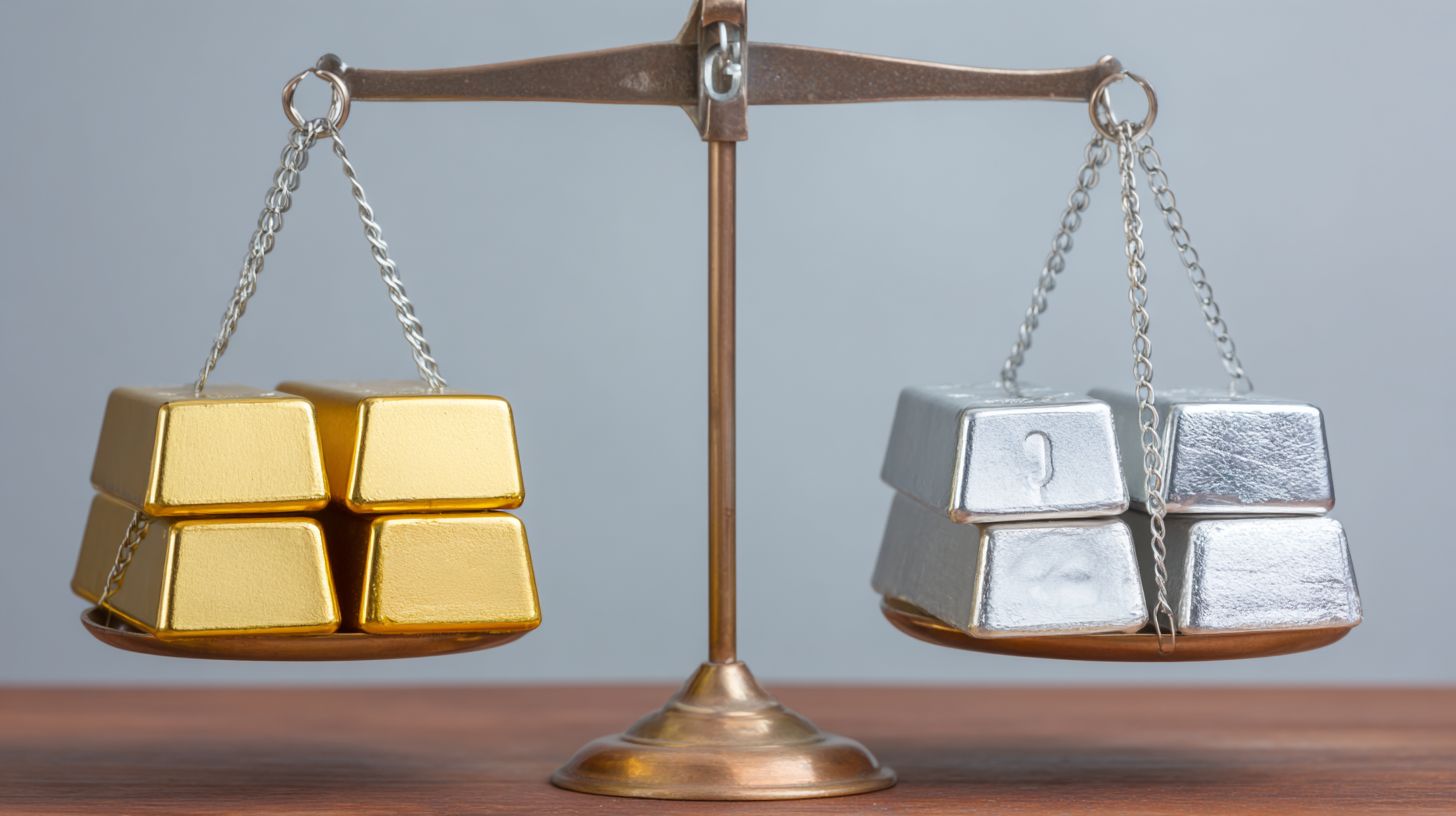
Industrial demand plays a pivotal role in precious metals markets, particularly affecting silver’s pricing and availability. Unlike gold, which primarily serves as a safe haven during economic uncertainty, silver faces unique pressures from its heavy use in manufacturing. This creates volatility risks that investors must consider in recession periods.
In times of market instability, industrial demand can drop sharply, pressuring silver prices downward. However, emerging markets like renewable energy often sustain or boost demand, offering diversification benefits over pure safe-haven assets like gold. Investors balancing portfolio protection should watch these trends closely.
Gold silver comparisons highlight how industrial demand makes silver more sensitive to financial downturns than gold bars or gold coins. During events like the 2008 crisis or COVID-19 recession, silver’s dual role as both an industrial input and store of value led to sharper short-term swings. This dynamic influences investment strategies, favoring physical bullion for long-term holders.
Practical advice includes pairing silver bars with gold for financial resilience against currency devaluation and rising inflation. Experts recommend secure storage to mitigate storage costs, ensuring tangible assets preserve purchasing power amid low interest environments and central bank actions, backed by the Securities Investor Protection Corporation (SIPC) in the U.S..
Silver’s Industrial Uses
Silver’s extensive use in industries like electronics, solar panels, and medicine drives a significant portion of its demand. This sets it apart from gold, which has minimal industrial applications, making silver’s price more tied to economic cycles. In recession periods, these uses create both risks and opportunities for investors.
Key applications include conductive pastes in solar panels, where silver enables efficient energy conversion, and electric vehicles relying on it for batteries and wiring. Medical uses, such as antibacterial coatings in devices, add steady demand. These factors amplify silver’s appeal as an inflation hedge when green tech grows despite market crashes through April 2025 and into May 2025.
- Solar panels: Silver’s high conductivity supports photovoltaic cells, with demand rising from emerging markets like U.S..
- Electric vehicles: Used in switches and connectors for reliable performance.
- Electronics: Essential in smartphones and computers for circuit boards.
- Medicine: Provides antimicrobial properties in wound care and imaging equipment.
Rising demand from these sectors impacts investment strategies, urging diversification beyond exchange traded funds into silver coins like Silver Eagles or American Eagles. During geopolitical tensions or stock market dips, silver’s industrial pull can outperform gold in recovery phases, though it carries higher volatility risks and no dividends compared to mining stocks or futures options.
Correlation with Economic Indicators
Precious metals often move inversely to economic indicators like stock market performance and interest rates. During periods of market instability, gold and silver act as safe havens, gaining value when stocks decline. This pattern helps investors seeking portfolio protection.
Silver shows a notable correlation with the S&P 500, often dropping alongside equities in strong economies but rallying during downturns. Gold tends to hold steadier as a pure store of value, while silver’s industrial demand adds volatility tied to manufacturing slowdowns. In recessions like the Great Depression, 2008 crisis or COVID-19 recession, both metals provided financial resilience.
Central bank policies influence these assets through interest rates and money supply changes. Low interest environments boost precious metals by reducing the appeal of yield-bearing investments. Rising inflation prompts central banks to adjust, enhancing gold and silver as inflation hedges.
Track these correlations using free tools like Yahoo Finance or The Street for charts comparing gold silver prices to the S&P 500 or inflation data. Set up custom tickers for XAUUSD and XAGUSD to monitor daily movements. This practice reveals diversification benefits, aiding investment strategies during economic uncertainty.
Investment Accessibility and Costs
Investing in physical bullion like gold bars, silver bars, and popular coins is straightforward through trusted dealers, though costs vary. Gold coins such as American Eagles and Canadian Maple Leafs offer high purity and global recognition. Silver options like Silver Eagles and Austrian Philharmonics provide similar accessibility for smaller budgets.
Premiums over spot price differ between gold and silver. Gold typically carries lower premiums due to its higher value per ounce, making it cost-effective for larger investments. Silver, with its lower price, often has higher relative premiums, especially on coins versus bars.
Storage costs add to the equation during economic uncertainty. Gold’s compactness means lower storage fees per value stored compared to bulkier silver. Dealers like Stout Gold and Bullion Vault offer secure vaults to protect these tangible assets.
- Choose insured depositories for secure storage to minimize risks.
- Compare dealer fees for buying, selling, and holding bullion.
- Start with coins for liquidity in recession periods.
Risk-Adjusted Returns Analysis
Evaluating precious metals requires balancing their lack of dividends against strong diversification benefits and financial resilience. Unlike stocks, gold and silver do not generate income through payouts. Yet they shine in economic uncertainty by preserving purchasing power.
Gold silver comparisons reveal silver’s higher volatility risks but potential for amplified gains during recovery phases. Gold acts as a steadier safe haven, while silver benefits from industrial demand. Both offer portfolio protection against market instability.
Compared to the S&P 500, precious metals show lower correlation, reducing overall portfolio drawdowns in recession periods. Investors can integrate them via physical bullion like gold bars or silver bars. This approach hedges against currency devaluation and rising inflation.
Practical investment strategies include allocating a portion to tangible assets such as American Eagles or Silver Eagles, backed by firms like Morgan Stanley and protected by Securities Investor Protection Corporation (SIPC). Store them with a trusted dealer like Stout Gold & Silver for secure storage, mindful of storage costs as of April 2025 or May 2025. This setup provides inflation hedge without relying on mining stocks or futures options.