
Have you noticed central banks quietly stacking up gold lately? It’s not random-they’re responding to shaky geopolitical risk, price inflation worries, and fading faith in fiat money. Let’s break down why they’re buying now and what it means for the bigger picture.
Recent Trends in Central Bank Gold Purchases

Central banks worldwide have ramped up gold purchases in recent years, signaling a strategic shift in reserve management amid evolving global financial dynamics.
World Gold Council reports highlight a surge in buying post-2022. This marks a clear transition from net sellers to net purchases, especially in emerging markets and emerging market nations.
Key drivers include diversification away from US dollar dominance and protection against geopolitical risk. Central banks view gold bullion as a reliable store value during global uncertainty.
Foreign reserves composition has evolved, with gold reserves gaining prominence over traditional foreign exchange holdings like US Treasuries. This trend reflects caution amid inflation pressures and potential financial sanctions.
Record Buying Volumes Since 2022
Since 2022, central banks have consistently reported some of the highest gold acquisition levels in decades, reversing prior patterns of net selling.
Quarterly buying patterns show sustained accumulation, unlike the divestitures common in the 2010s. World Gold Council data underscores this shift toward building gold holdings as a hedge inflation.
IMF data provides context on changes in foreign reserves composition. Central banks now prioritize precious metals like gold bullion to counter interest rates volatility and dollar reserves risks.
This accumulation echoes lessons from past events, such as the end of the gold standard under Bretton Woods. It positions global reserves for resilience in times of financial crisis.
Central Bank Gold Net Purchases: January 2026 vs 2025 Monthly Average
#cys4n736.bar-container { position: relative; overflow: visible!important; } #cys4n736.bar-value { position: absolute!important; left: 50%!important; top: 50%!important; transform: translate(-50%, -50%)!important; color: white!important; font-weight: 700!important; font-size: 14px!important; white-space: nowrap!important; background: rgba(0, 0, 0, 0.7)!important; padding: 4px 12px!important; border-radius: 20px!important; z-index: 30!important; text-shadow: 0 1px 2px rgba(0, 0, 0, 0.3)!important; pointer-events: none!important; display: inline-block!important; } #cys4n736.animated-bar { z-index: 1!important; } @media (max-width: 768px) { #cys4n736 { padding: 16px!important; } #cys4n736 h2 { font-size: 24px!important; } #cys4n736 h4 { font-size: 16px!important; } #cys4n736.bar-label { font-size: 12px!important; } #cys4n736.metric-card { padding: 20px!important; } #cys4n736.bar-value { font-size: 13px!important; padding: 3px 10px!important; } } @media (max-width: 480px) { #cys4n736 { padding: 12px!important; } #cys4n736 h2 { font-size: 20px!important; } #cys4n736 h4 { font-size: 14px!important; } #cys4n736.bar-label { font-size: 11px!important; margin-bottom: 6px!important; } #cys4n736.bar-value { font-size: 12px!important; padding: 2px 8px!important; min-width: 45px!important; text-align: center!important; } #cys4n736.bar-container { height: 36px!important; overflow: visible!important; } }
Central banks gold price net purchases: January 2026 vs 2025 Monthly Average (metric tons)
Net Purchases (tonnes): Key Statistics for Russia China, Turkey India, Poland
The Central Bank Gold Net Purchases: January 2026 vs 2025 Monthly Average data from the World Gold Council reveals a dramatic slowdown in gold accumulation by central banks. In January 2026, net purchases totaled just 5.0 tonnes, a sharp drop from the 27.0 tonnes monthly average in 2025. This 81% decline signals potential shifts in monetary policy, economic stability, and gold’s role as a reserve asset.
Central banks buy gold to diversify reserves, hedge inflation, and mitigate geopolitical risks. The 2025 average of 27 tonnes per month reflected strong diversification efforts amid currency volatility and sanctions. January 2026’s 5 tonnes suggests reduced urgency, possibly due to stabilizing global markets or increased reliance on digital assets and other reserves.
- Economic Factors: Lower purchases may indicate improved economic confidence or resolved tensions, diminishing gold’s safe-haven appeal.
- Geopolitical Influences: Reduced buying could stem from eased international conflicts or new monetary agreements.
- Market Implications: This drop might stabilize or depress gold prices, benefiting investors who capitalized on 2025’s high demand.
This data highlights the evolving role of gold in central bank strategies. While 2025’s robust purchases underscored gold’s value, January 2026’s decline suggests a possible normalization of reserve accumulation. Monitoring future trends will be crucial for understanding shifts in global finance.
Key Buyers: China, Russia, India
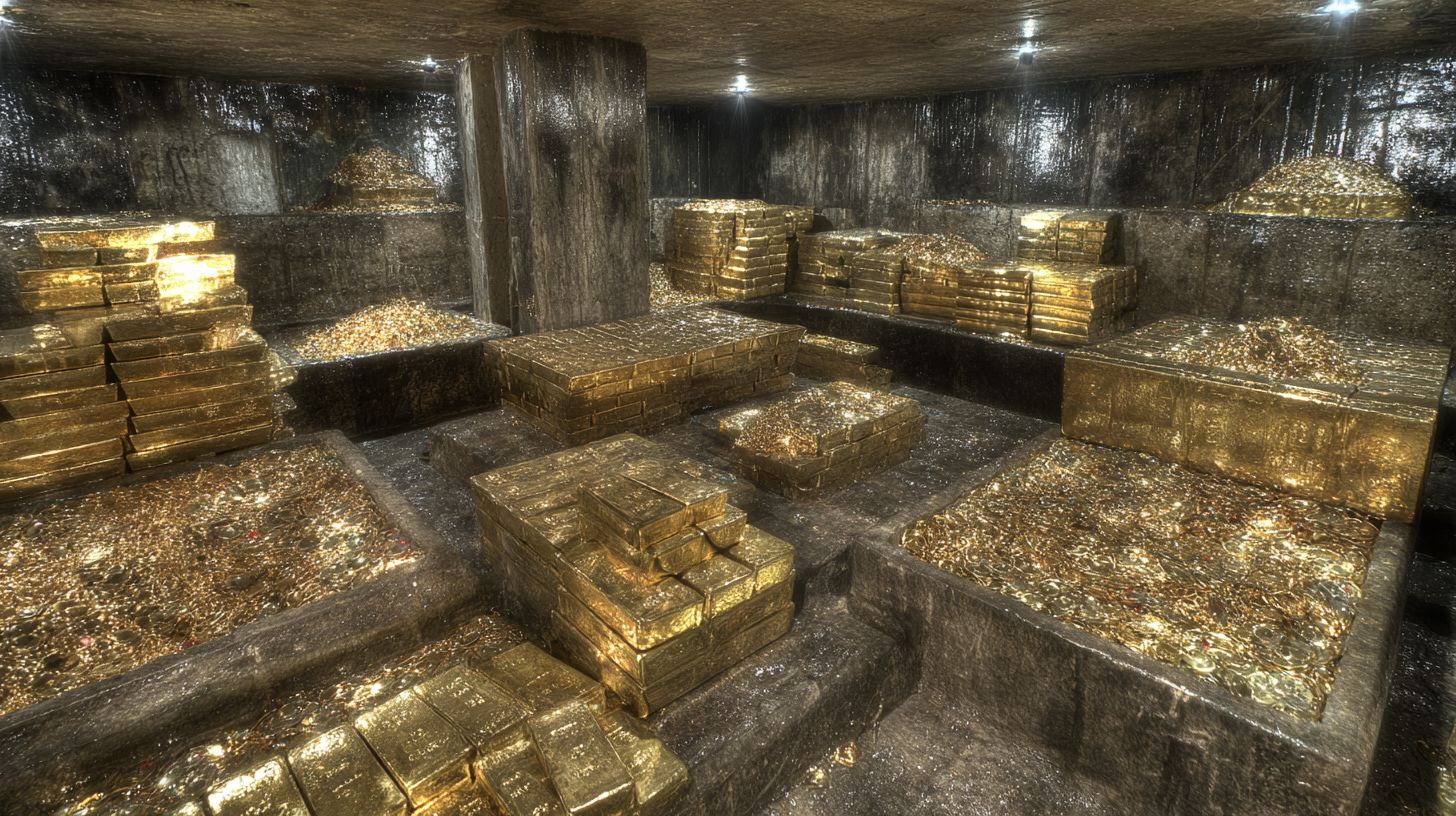
Emerging market powerhouses like China, Russia, and India lead central bank gold buying, steadily building substantial gold reserves.
China’s central bank pursues opaque but persistent accumulation, focusing on long-term reserve diversification. This strategy reduces reliance on US dollar assets amid trade tensions.
Russia engaged in pre-sanctions stockpiling of gold to shield against financial sanctions. Public announcements confirm its shift toward gold bullion as a safe haven.
India’s central bank offers official disclosures on net purchases, driven by import policies and geopolitical risk. In contrast, advanced economies in the Euro area like those overseen by the European Central Bank show restraint, maintaining modest gold holdings.
Geopolitical Tensions Driving Demand
Heightened geopolitical tensions have prompted central banks to seek stability through gold, viewing it as a reliable asset beyond political influence. Global conflicts accelerate de-dollarization trends, as nations question reliance on the US dollar amid rising risks. Gold’s neutrality in international relations makes it a preferred choice for safeguarding foreign reserves.
Russia’s experience serves as a key case study. Facing Western sanctions, Russian central bankers shifted toward gold holdings to protect against asset freezes. This move highlighted gold’s role as a hedge against geopolitical risk.
Other emerging markets observe these shifts closely. Central banks in countries like China and India increase gold purchases to build resilience during global uncertainty. Gold acts as a timeless store of value, untouched by sanctions or currency wars.
Experts recommend central banks balance global reserves with more gold bullion. This strategy counters inflation and financial crises, much like the gold standard era under Bretton Woods. Practical steps include gradual accumulation during dips in gold price.
Sanctions and Frozen Reserves
Western sanctions freezing Russian foreign exchange reserves exposed vulnerabilities in holding large USD positions, accelerating gold’s appeal. In 2022, mechanisms like asset freezes targeted US Treasuries and euro holdings. Russian authorities responded by converting liquid assets to gold bullion.
Before sanctions, Russia relied heavily on US dollars and advanced economy currencies.
The central bank then shifted to precious metals. These assets can’t move across borders easily. This move cut exposure to financial sanctions.
Central banks worldwide now check their portfolios for similar risks.
They swap parts of dollar reserves for physical gold in secure vaults. This keeps liquidity free from political ties.
Reserve managers should audit gold reserves for sanction risks.
Euro area nations watch these lessons closely. They aim to avoid selling gold net during crises.
Diversification from USD Dominance

Central banks in emerging markets ditch USD dominance. They add more gold as a neutral store of value.
IMF data shows the US dollar’s share in global reserves dropping. Geopolitical pressures drive this exciting shift!
China and India lead the charge with multi-currency baskets heavy on gold for sovereign wealth.
They ramp up net purchases to fight interest rates swings in U.S. Treasuries. Gold mixes with other assets for perfect balance.
Poland and Turkey pile on gold buys amid regional tensions.
Gold hedges inflation and dollar swings. This diversification powers them up in a multipolar financial world!
Reserve managers, make gold key in long-term plans!
- Review World Gold Council insights and IMF data regularly.
- Track trends in metric tons.
Build gold reserves now for coming global financial shifts.
Inflation and Currency Debasement Risks
Inflation pressures worldwide spark fresh excitement for gold.
It proven hedges against currency debasement.
Post-pandemic, central banks like the Federal Reserve and Bank of England pumped liquidity into economies.
This boosted gold demand as prices rose. Gold counters fiat currencies losing power.
Gold prices often move opposite to interest rates.
Low rates make gold bullion beat bonds. In 1970s stagflation, gold held value as inflation hit paper assets.
Russia, China, Turkey, and India boosted gold holdings lately.
Gold protects against US dollar dominance and debasement. This fits their push to diversify reserves.
Persistent Global Inflation Pressures
Central banks struggle to tame inflation in advanced economies and emerging markets.
Supply chain disruptions from the pandemic and energy price spikes hiked global costs.
Inflation lingers despite tight policies. Gold shines in high-inflation, low-rate times.
Euro area energy dependence fueled price surges.
U.S. faced labor shortages and stimulus spending issues. Both turn to gold reserves for stability now!
Poland and India ramped up gold net purchases.
- This shields forex from volatility.
- Experts urge more precious metals amid global uncertainty and geopolitical risks.
Declining Trust in Fiat Currencies

Skepticism grows over unlimited fiat currency issuance. It echoes gold standard eras lessons.
Fixed exchanges brought stability before paper money. Banks now rush to gold!
Bretton Woods collapsed in 1971.
Nations ditched the gold-backed dollar for pure fiat systems. Currencies now depend on government trust alone. Unlimited money supply sparks worries.
Money printing amid inflation and low rates stirs unease.
Emerging market banks like Russia, China, Turkey, and India see fiat risks from geopolitical risk and sanctions. They pile into gold to beat US dollar dominance.
Gold beats paper claims on far-off treasuries.
Unlike US Treasuries or euro bonds, it’s physical value. IMF data shows steady buys, making gold your anchor in uncertainty!
Gold as Ultimate Safe Haven Asset
Gold rules as the ultimate safe haven in crises.
It shines when others crash, from Global Financial Crisis to COVID chaos. Banks stock up to fight volatility!
Gold has no counterparty risk, unlike stocks or currencies.
No issuer promises needed. It saved the day when banks failed in the global financial crisis.
Gold beats government bonds in debt scares.
Bonds from Poland and Turkey tanked on default fears. Gold stood strong, no credit needed.
World Gold Council says Russia, China, Turkey, and India lead gold buys.
- Diversify from U.S. dollar risks.
- Hedge geopolitical threats and sanctions.
- Build resilience against inflation!
Portfolio Diversification Strategy
Banks see gold as key for reserve portfolio diversification. It cuts overall risk.
Modern portfolio theory pushes balancing non-matching assets. This shields reserves from shocks.
Gold spreads risk across forex, bonds, and metals.
Banks once loved US Treasuries and dollars. Now they grab gold to dodge sanctions and dollar swings.
Russia, China, Turkey, India, and Poland lead with steady gold buys.
- Emerging markets hedge geopolitical risk and inflation.
- Euro area economies adjust reserves for stability.
Reserve managers use this simple framework:
- Allocate by historical correlations and liquidity, per IMF.
It matches sovereign wealth funds going for gold. Portfolios get tough against uncertainty!
Reducing Correlation with Other Assets
Gold’s low correlation with assets like Federal Reserve Treasuries boosts stability in stress.
It rises when stocks crash or currencies wobble. Perfect reliable store of value!
In crises like the Global Financial Crisis and post-Bretton Woods, gold held strong.
Stocks and bonds plunged. Gold countered equity drops, as IMF reserve data shows.
Reserve managers can follow this allocation framework:
- Check gold vs. total reserves per New York Fed.
- Aim 5-10% gold for volatile emerging markets.
- Go lower for stable advanced economies.
Poland, Japan, and emerging market banks buy gold aggressively over dollar worries.
Bank of England moves cautious, shifting from sellers to buyers. Brookings Institution notes differences in inflation and rate exposures.